
Choosing the right assessment book for your child can feel like standing in the middle of Popular bookstore, overwhelmed by colourful covers, bold promises, and shelves packed with choices.
But picking the wrong book doesn’t just waste time and money, it could hurt your child’s confidence and progress.
So before you add another “bestseller” to your basket, take note of these 6 common mistakes parents often make when selecting assessment books and how to make better choices.
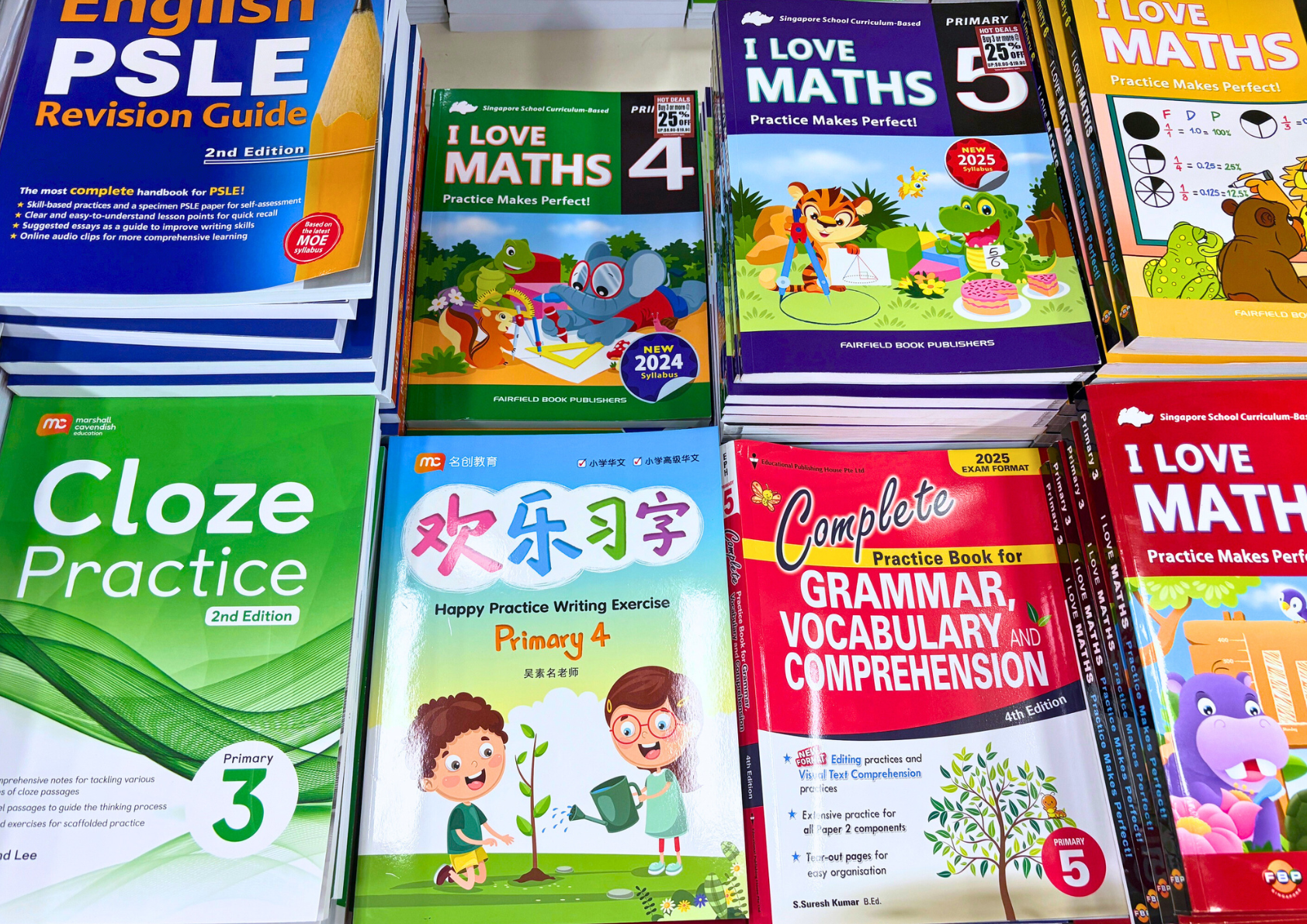
- Picking books that are too hard (or too easy)
It’s tempting to buy a book that’s one level ahead, just to “challenge” your child. But books that are too advanced can leave your child confused, frustrated or worse, make your child feel defeated before they’ve even begun.
Likewise, a book that’s too easy gives a false sense of progress without real growth.
Tip: Involve your child when choosing the book. Flip through it together and get their honest feedback on whether it looks manageable.
- Focusing on quantity over quality
Doing more practice doesn’t always lead to better results. Some assessment books overload students with repetitive or low-quality questions that fail to build true understanding or critical thinking skills.
Tip: Look for books with well-structured progression that include detailed explanations or worked solutions—not just final answers. When your child can see how to solve problems step-by-step, they learn from their mistakes and build confidence, rather than just guessing or memorising answers. Quality practice helps your child develop deeper skills that stick beyond exams.
- Ignoring syllabus alignment
Not all assessment books follow the current MOE syllabus or exam formats. If you choose an outdated or imported book, your child might miss important topics or get used to question types that no longer appear in exams, which can affect their confidence and results.
Tip: Always double-check that the assessment book is the latest edition and fully aligned with the current MOE syllabus and exam formats. This ensures your child is practising the right topics the right way.
- Buying what’s popular, not what’s relevant
It’s easy to get swept up by a “Top 10 Bestselling” label or recommendations from other parents. But remember, what works for someone else’s child may not suit yours.
Tip: Don’t choose a book just because it’s popular. Choose it because it meets your child’s specific learning needs. Every child is different.
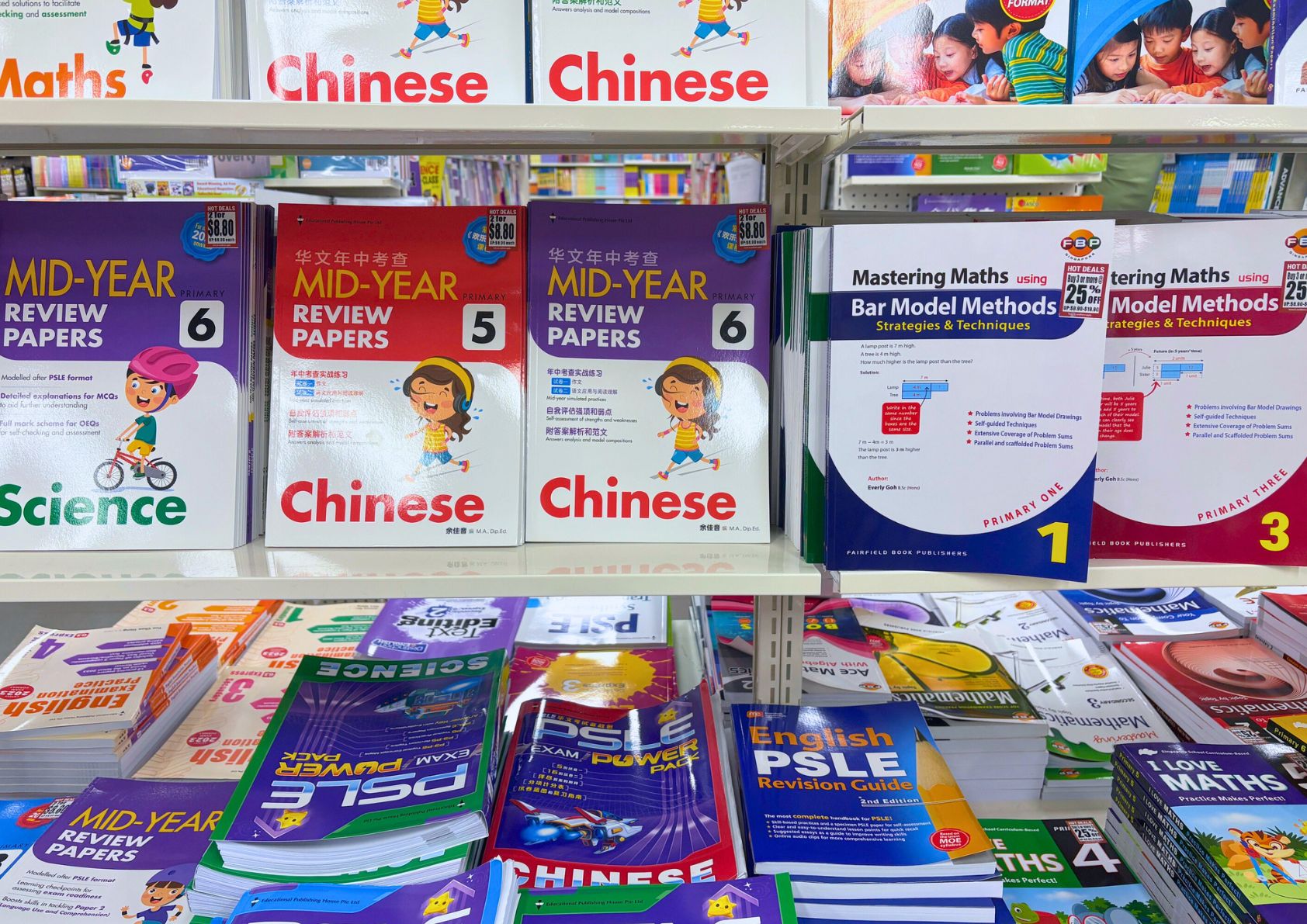
- Assuming all subjects work the same way
Many parents choose assessment books the same way across all subjects, as long as it has enough practice papers and a familiar publisher.
But each subject tests a very different set of skills and has its unique needs, and using a one-size-fits-all approach often leads to poor preparation or wasted effort.
Tip: Match the book to the subject’s skill demands. For instance, Maths needs books that develop problem-solving skills, heuristics, and provide clear step-by-step solutions while Science requires books that build conceptual understanding and include explanation-based questions.
- Overloading on too many books at once
Parents sometimes buy a full stack of assessment books per subject making it feel like you’re well prepared. But too many books can overwhelm your child and most end up half-used.
Tip: A smarter way? Start with 1 or 2 books. Observe how your child copes, then use that feedback to choose more targeted books that better support their learning needs.
You don’t need a shelf full of “top” assessment books. What your child needs is one that fits their current level, needs, and stage of learning. When you choose and use assessment books with intention, your child doesn’t just get more practice, they gain confidence, deeper understanding, and the motivation to keep improving.


Add Comment